Home

Recent Project Highlights

Breast Cancer Genomic Analysis Using Machine Learning
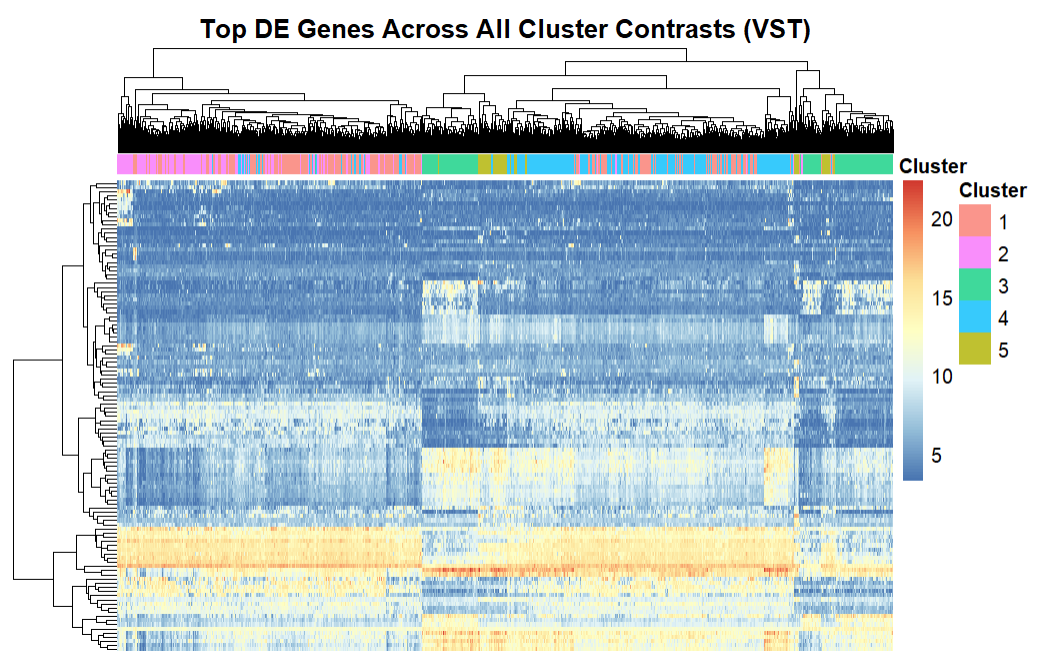
Heatmap Comparing Differential Expression Genes
Heatmap of Top Differentially Expressed Genes
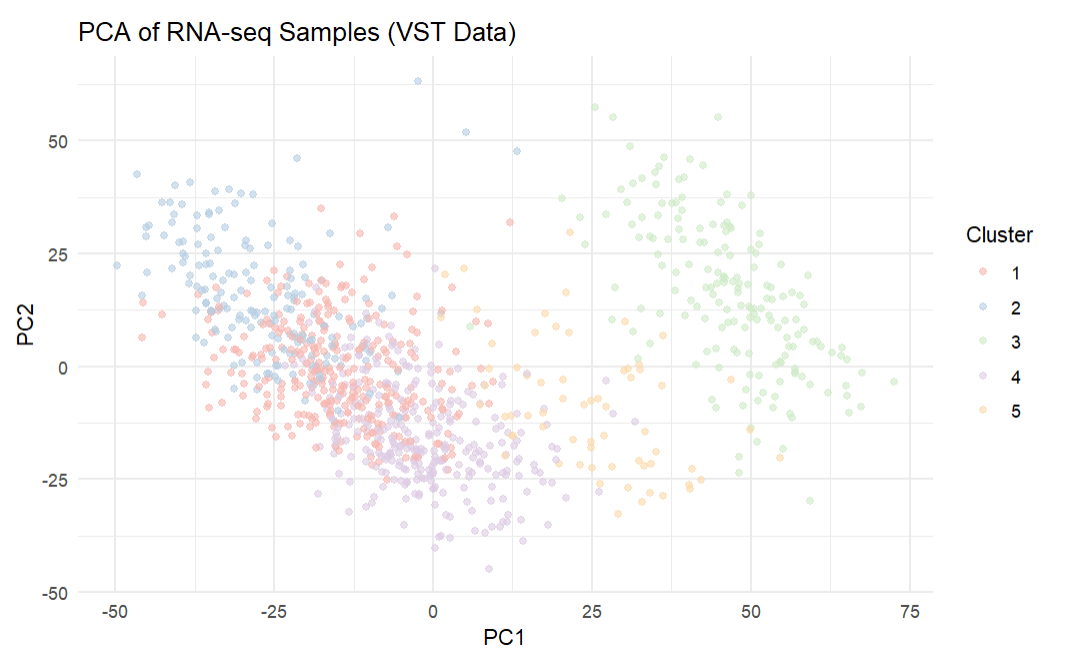
Principal Component Analysis of RNA Sequence Data
PCA Showing Five Transcriptomic Clusters
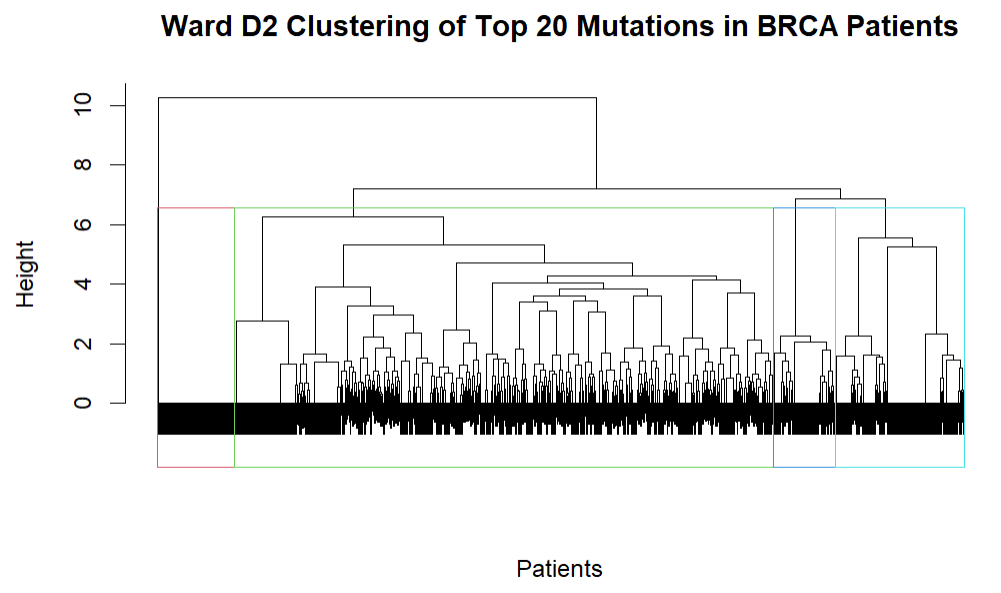
Hierarchical Clustering of Mutated Genes
Hierarchical Clustering of Frequently Mutated Genes

Problem: Breast cancer patients exhibit high biological variations, and these datasets contain thousands of genes which makes it difficult to identify meaningful biological drivers. It is also valuable in cancer research to find patient subgroups that share similar molecular mechanisms, tumour behaviour, and clinical outcomes. With the help of integrating machine learning techniques with classical biostatistics, my goal was to explore underlying biological structure and patterns across thousands of patients by analyzing gene expression, mutation profiles, and clinical conditions.

Solution: I designed a complete bioinformatics pipeline using clustering and statistical modelling on TCGA breast cancer patient data. This involved examining mutation, expression, and clinical metadata using an integrated framework of unsupervised learning, differential expression, pathway enrichment, and statistical tests. The analysis revealed that immune-related pathways were the primary drivers of transcriptomic differences, while neither mutation or expression clusters showed differences in patient outcomes.

Impact: This project improved my skills in machine learning for biological data, statistical hypothesis testing, and interpretation of high-dimensional genomic datasets. I gained experience in dimensionality reduction techniques like PCA for visualizing complex data and exposure to clustering algorithms to identify patterns. The biological results reveal the complexity of cancer outcomes with many factors beyond simple genomic profiles that shape disease behaviour.

Features: PCA, Clustering, DESeq2, R, KEGG/GO Enrichment, Survival Analysis, Statistical Testing
Spotify Controller

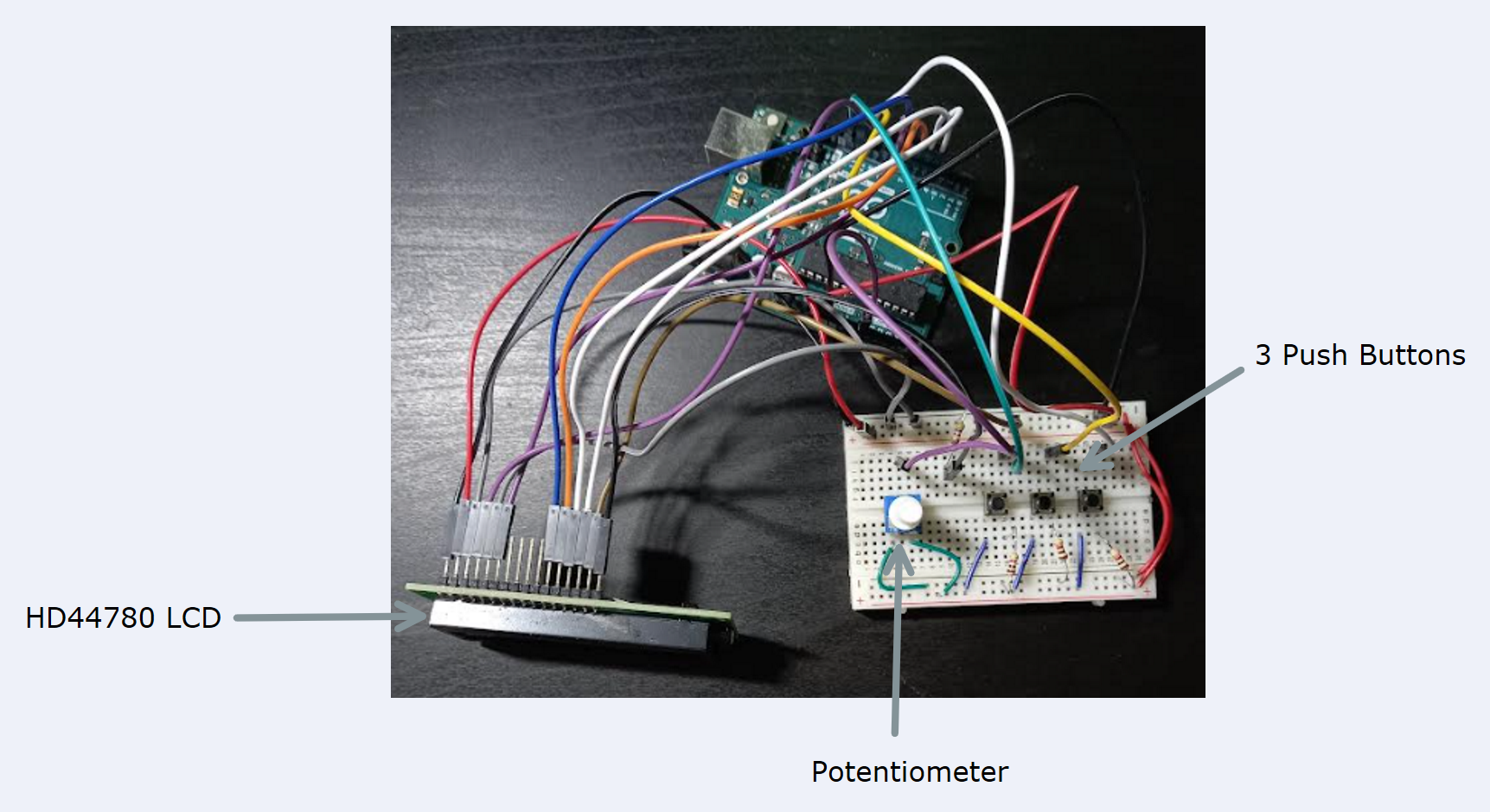
Spotify Controller Circuit
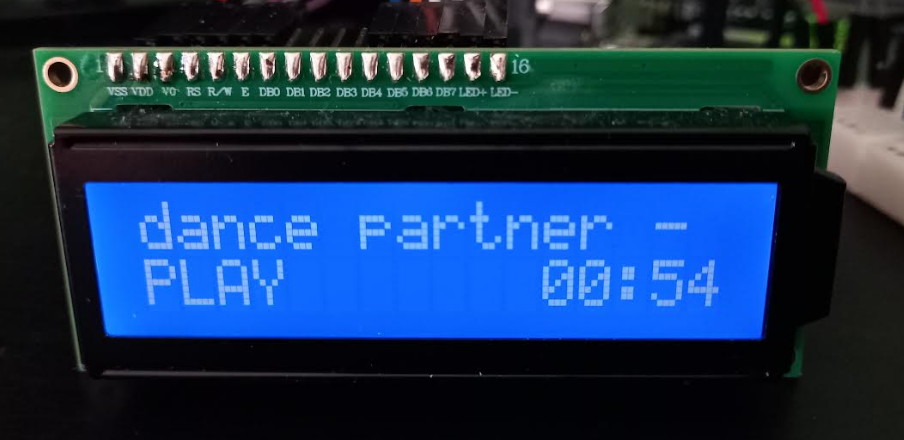
Song Display Sample
Song Display Sample
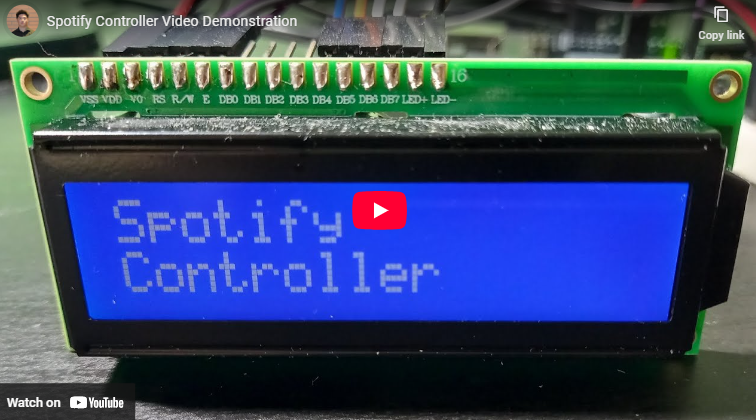
Spotify Controller Video Demo

Problem: Controlling music playback while working or doing other tasks can be inefficient. I designed a project to create a responsive, interactive controller that allows play/pause, track skipping, and volume adjustment for Spotify using hardware integration.

Solution: I integrated an Arduino with an LCD display to show the current song, artist, and remaining time, with auto-scrolling for longer titles. I used Python with the pyserial and spotipy packages, handling OAuth token-based authentication to interact with Spotify playback. Serial communication between Python and Arduino allowed sending and receiving Unicode strings encoded as bytes for smooth real-time updates.

Impact: This project strengthened my skills in API integration, continuous serial data management, OAuth authentication, and hardware/software interfacing. It also improved my ability to parse JSON data, handle redirect URIs, and build interactive systems that combine software and physical components.

Features: Python, Spotify Web API, Token-Based Authentication (OAuth), Playback Control, Serial Communication, Arduino, C/C++, LCD Display

4-Bit Arithmetic Logic Unit (ALU)

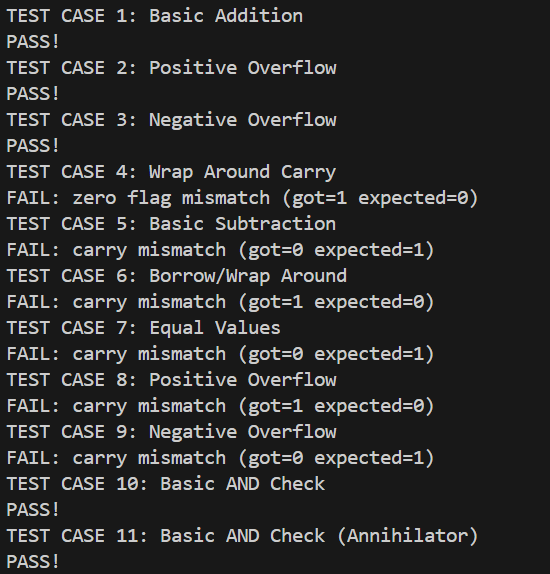
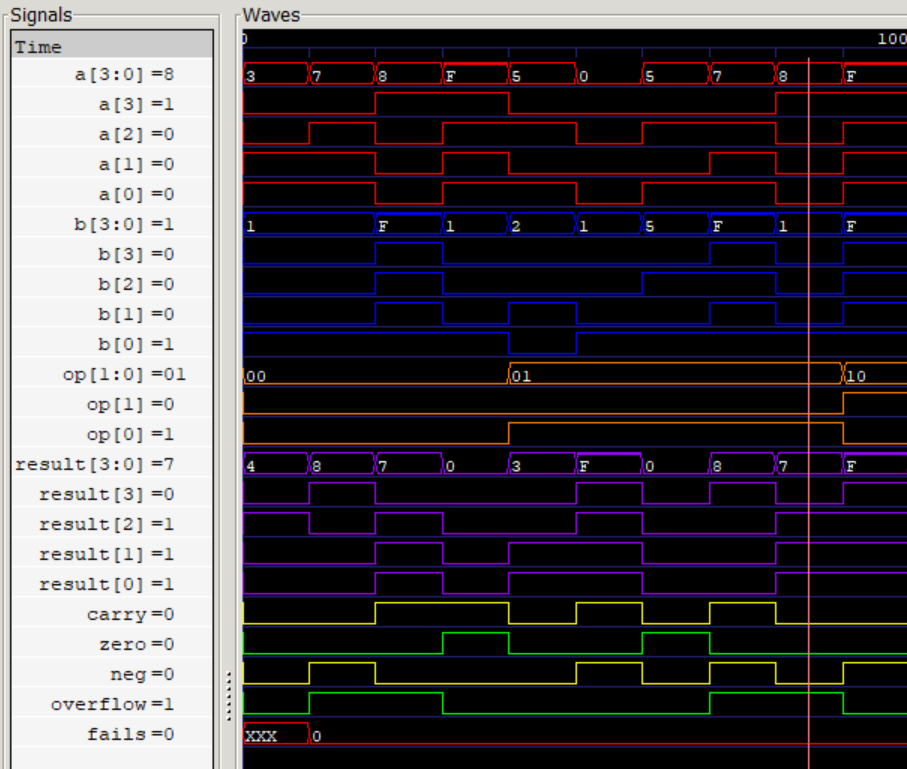
ALU Testbench Console Output
Full Logic Analyzer View (GTKWave)
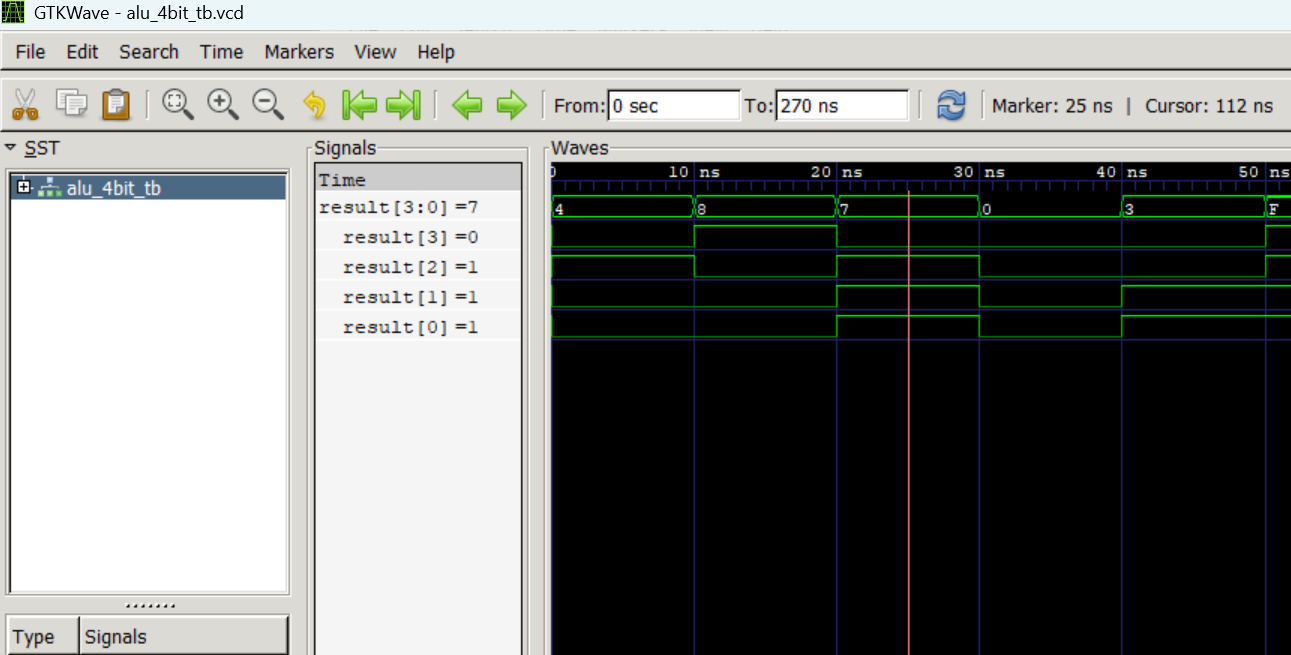
Expanded 4-Bit ALU Result Signals

Problem: Understanding how basic arithmetic and logic operations are implemented in hardware is fundamental to digital design. I designed a 4-bit ALU to explore how addition, subtraction, AND, and OR operations can be performed with flags indicating carry, zero, negative, and overflow conditions.

Solution: I created the ALU in Verilog and verified its functionality with a self-checking testbench that automatically compared outputs to expected values. I used GTKWave waveform analysis to debug signal propagation and flag behavior during edge cases, running simulations through Icarus Verilog to gain hands-on experience with the HDL toolchain.

Impact: This project strengthened my understanding of Verilog syntax, binary addition and subtraction (including wrapping and carry/borrow logic), and the significance of MSB/LSB in signed 4-bit arithmetic. It also provided practical experience in testbench creation, waveform debugging, and hardware verification processes.

Features: Verilog, GTKWave, Logic Analyzer

Skill Stack

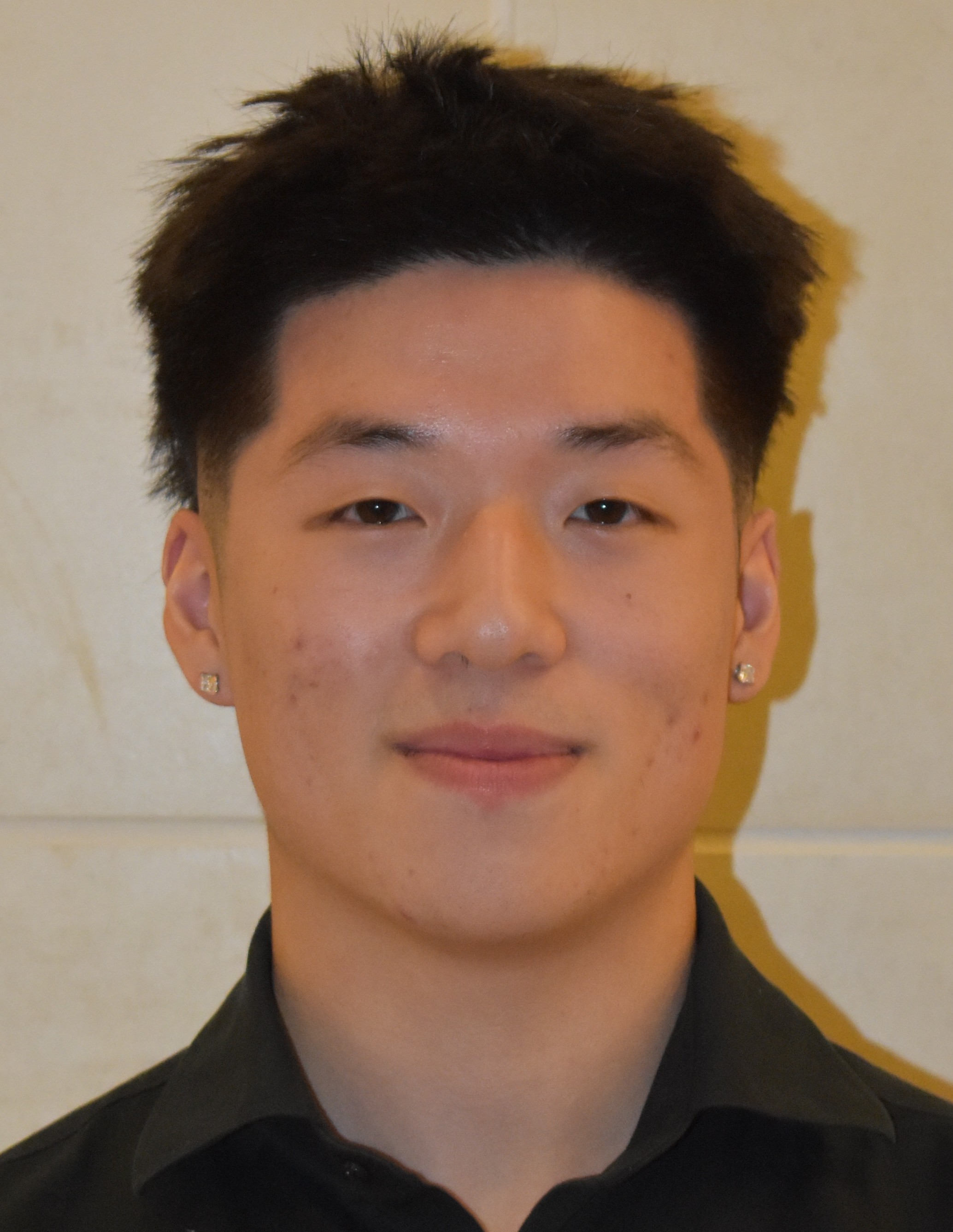
Headshot of Ryan Huang

Ryan Huang

Biomedical Engineering

University of British Columbia

Email Logo ryantwhuang@gmail.com

LinkedIn Logo LinkedIn

GitHub Logo GitHub

About Me

I am an aspiring biomedical engineer with a diverse skillset that span electrical, mechanical, and computer engineering. Along the way, I've also built a strong foundation in chemistry and biology. I love combining these different areas to connect hardware, software, and biological systems in creative ways, especially in medical sensors and wearable devices.

I am passionate about the semiconductor industry and firmware development, where I can leverage my diverse background to contribute to innovative solutions. This perspective strengthens my work in embedded systems, enabling me to bridge biomedical challenges with advances in electrical engineering.

This website is a space to showcase and document my projects and highlight the skills I've developed while exploring biomedical engineering through an interdisciplinary lens. Each section connects to projects that demonstrate the tools and knowledge I've gained across different domains.

Discover my S.M.I.L.E.! (Software, Mechanical, Initiatives, Laboratory, Electronics)